
Midterm Elections are upon us... A reminder in community
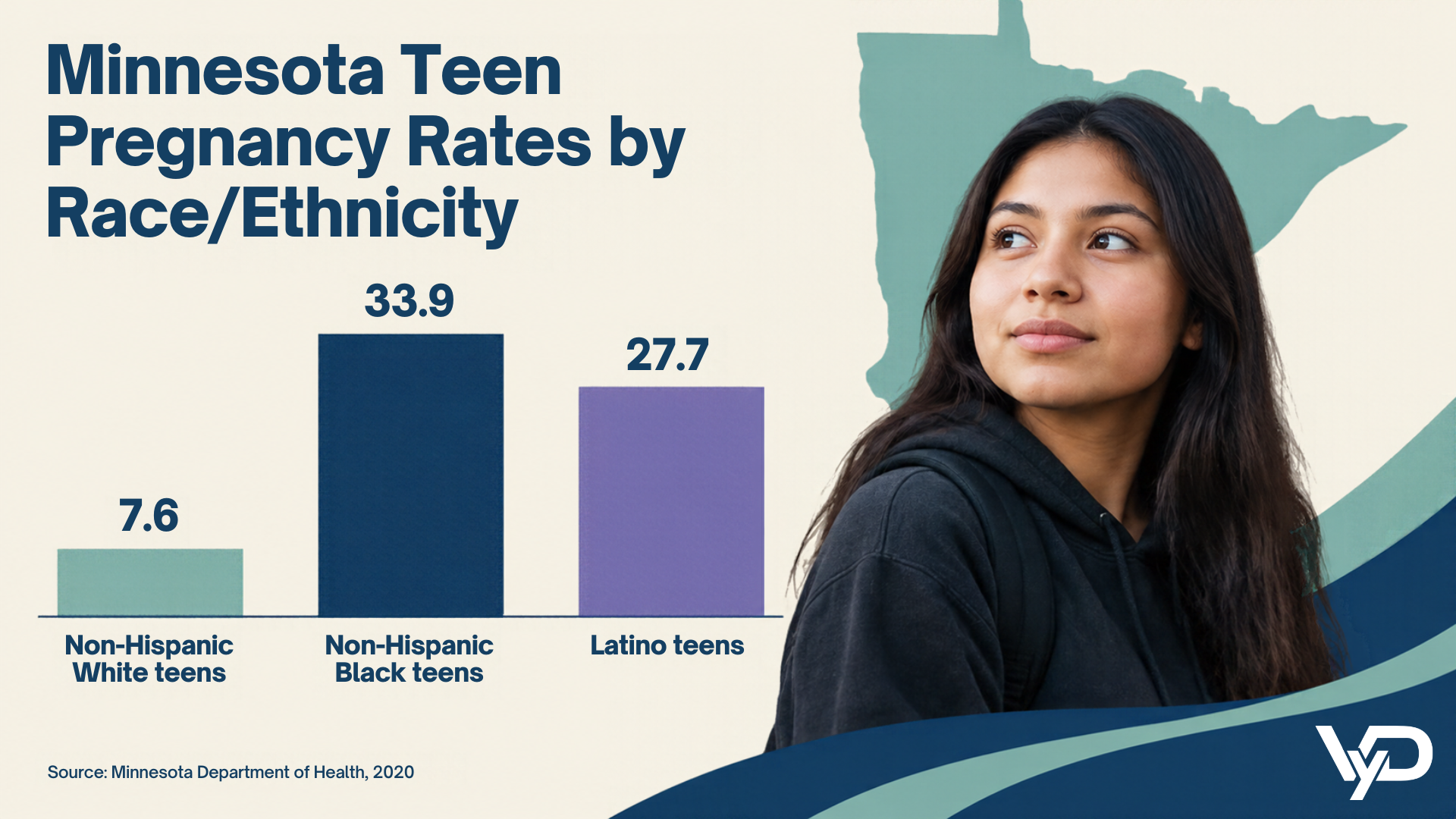

MN (Twin Cities), 10.16.26- Teen pregnancy in Minnesota has declined over the past decade, reflecting broader national trends and the impact of expanded health education, improved access to reproductive care, and community‑based supports. But despite this progress, racial disparities remain significant, and Minnesota continues to fall short in providing equitable resources, culturally responsive education, and consistent instruction across communities. The Minnesota Department of Health’s Title V Teen Pregnancy & Childbirth Report highlights these gaps clearly, noting that teen pregnancy rates and birth outcomes vary sharply by race and ethnicity, with minority teens facing disproportionate challenges.
As Minnesota approaches the midterm election, this issue deserves renewed attention- not as a political talking point, but as a community stability issue that affects family structure, long‑term economic mobility, and generational opportunity. Below is a four‑part breakdown of the landscape: White teens, Black teens, Latino teens, the social and economic burden on families, the resources needed for prevention, and the path forward.
1. White Teens in Minnesota: Progress, but Uneven Access
The Title V report shows that White teens in Minnesota experience lower rates of teen pregnancy and childbirth compared to minority groups. This progress is tied to stronger access to preventive care, more consistent school‑based health education, and broader cultural acceptance of reproductive health conversations.
However, the report also highlights gaps in rural regions, where clinic access, transportation, and culturally responsive education remain inconsistent. These disparities mean that while White teens overall show improved outcomes, progress is not evenly distributed across the state. Rural families often rely on limited local resources, and teens may not receive comprehensive instruction or timely reproductive care.
2. Black Teens in Minnesota: Higher Rates, Structural Barriers
According to the Title V Teen Pregnancy & Childbirth Report, Black teens experience significantly higher rates of teen pregnancy and childbirth compared to White teens. These disparities are rooted not in individual behavior, but in structural inequities — limited access to reproductive health services, fewer culturally relevant education programs, and socioeconomic pressures that compound risk.
The report emphasizes that Black families often face barriers in navigating health systems, accessing preventive care, and receiving consistent guidance during pregnancy. These gaps contribute to higher rates of adverse outcomes and place additional strain on families already navigating systemic challenges related to housing, employment, and education.
Community organizations have stepped in to fill these gaps, but Title V data shows that funding and access remain uneven, leaving many teens without the support they need.
3. Latino Teens in Minnesota: Cultural Dynamics and Resource Gaps
Latino teens also experience higher rates of teen pregnancy and childbirth than White teens, according to the Title V report. Cultural norms, language barriers, and limited access to bilingual reproductive health resources contribute to these disparities.
The report notes that Latino families often face challenges in accessing preventive care, navigating insurance systems, and receiving culturally responsive education. Immigrant families may also hesitate to seek public health services due to fear, uncertainty, or lack of familiarity with available programs. These barriers create gaps in prevention and support, leaving teens vulnerable to misinformation and inconsistent guidance.
Culturally grounded, bilingual education is essential — and Title V emphasizes the need for community‑based, family‑centered approaches that honor cultural values while providing accurate, accessible information.
4. The Social and Economic Burden on Families: A Generational Impact
Teen pregnancy affects entire families — emotionally, socially, and financially. Title V data shows that families experiencing teen pregnancy often face higher rates of interrupted education, lower long‑term earning potential, and increased reliance on public support systems.
In minority communities, where economic pressures are already significant, the burden can be generational:
Childcare costs strain household budgets.
Interrupted schooling limits future opportunities.
Housing instability increases risk for young parents.
Mental health strain affects both teens and extended family.
Reduced economic mobility impacts siblings and future generations.
These challenges ripple across communities, affecting workforce participation, school performance, and long‑term stability.
5. Education and Resources Needed for Prevention
The Title V report underscores the need for comprehensive, culturally responsive, and community‑driven education. Key recommendations include:
Bilingual sexual health education tailored to Latino and immigrant families.
Expanded clinic access, especially in underserved urban and rural areas.
Family‑centered health education, including prenatal and postpartum support.
Youth mentorship programs that provide safe spaces for questions and guidance.
School‑community partnerships that integrate mental health support with reproductive education.
The report stresses that prevention is not about judgment — it is about equipping teens with knowledge, confidence, and culturally grounded support.
6. The Way Forward: A Community‑Centered Call to Leadership
As Minnesota approaches the midterm election, the Title V report provides a clear roadmap: address disparities, expand access, and strengthen community‑based supports.
Legislative leaders can help by:
Increasing funding for culturally responsive health education.
Expanding access to reproductive health clinics statewide.
Supporting community organizations that mentor and educate teens.
Investing in family stabilization programs.
Strengthening school‑community partnerships.
This is not a partisan issue — it is a community well‑being issue. Teen pregnancy affects education, workforce development, and long‑term community health. Addressing it requires collective action from families, schools, community leaders, and policymakers.
Graph Description
Title: Teen Pregnancy & Childbirth Rates in Minnesota by Race (Title V Report) Bars:
White Teens — Lowest rate
Black Teens — Highest rate
Latino Teens — Higher than White, lower than Black Source: Minnesota Department of Health, Title V Teen Pregnancy & Childbirth Report Note: “Rates declining overall, but disparities persist.”


 Translate